
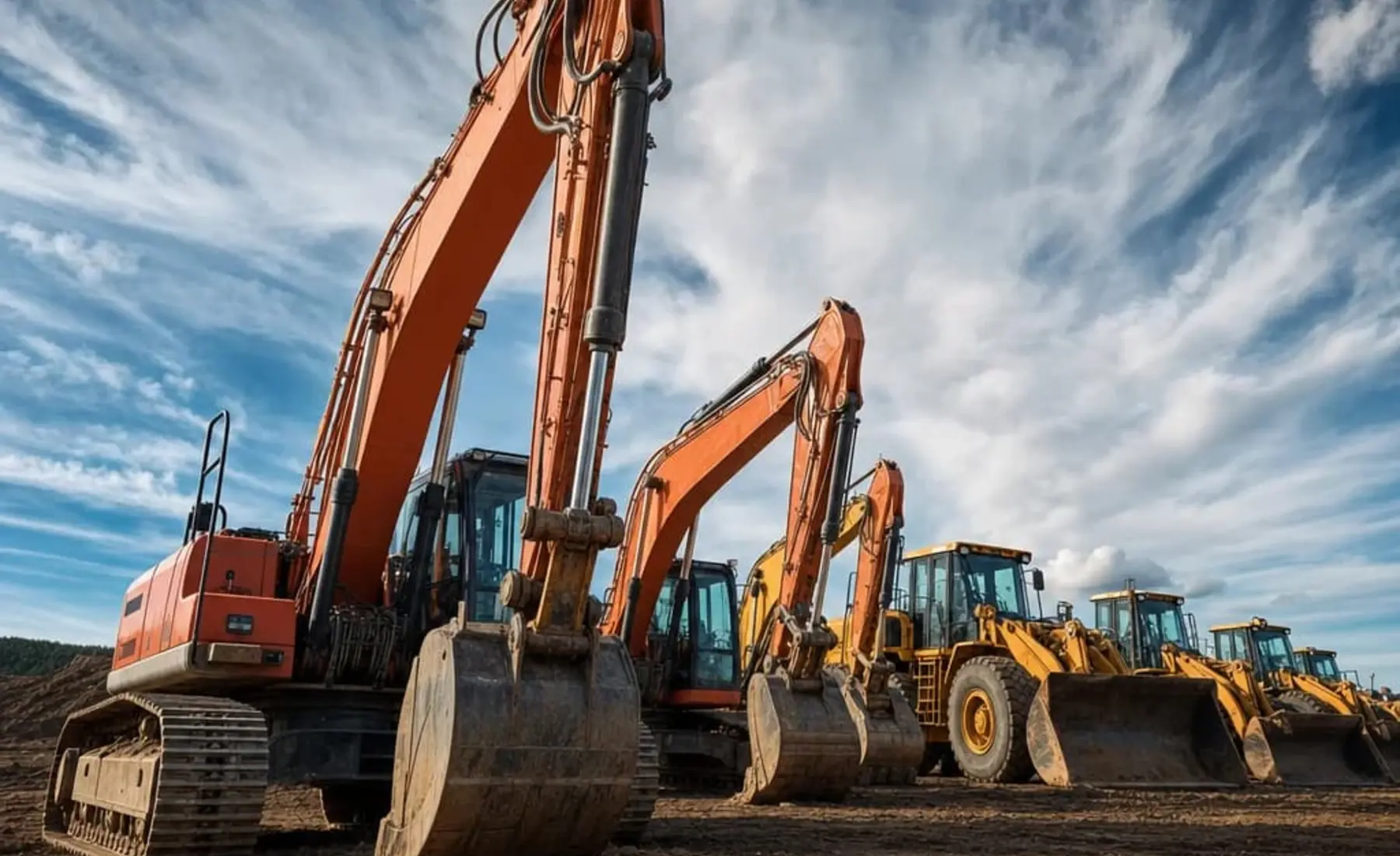
Define the job before the machine
The lowest daily rental rate does not always produce the lowest project cost. Availability, fuel use, operator experience, transport and site access all affect the real value of a machine
Start with the work volume, material density, ground conditions and required cycle time. Then define lifting capacity, reach, bucket or body size, working radius and transport constraints
Check the whole operating environment
A machine that is productive on an open site may be unsuitable in a confined urban area. Check access width, turning space, overhead hazards, ground bearing capacity, dust, heat and the availability of fuel and routine service
Ask who will operate the equipment and how daily checks will be recorded. Matching the operator, machine and method reduces idle time and protects both safety and output
Compare rental options on total cost
Compare short- and long-term rental using the full operating window, mobilisation, expected utilisation and standby risk. A slightly larger or newer machine can be more economical when it completes the work faster or needs less downtime
Our team helps clients match equipment to scope and schedule. Share the task, location, dates and estimated volumes in the rental request so the first recommendation is useful
Your next step
Explore our services and equipment fleet, or share your project details for a practical first recommendation